

MaXimale Leistung
Innovativ
seit über 50 Jahren
Riegger Diamantwerkzeuge bietet seinen Kunden eine technisch fundierte Betreuung im Bereich Schleiftechnik für Diamant- und CBN-Werkzeuge. Diese basiert auf der eigenen Entwicklung und Herstellung von Diamant- und CBN-Schleifscheiben sowie Diamantabrichtwerkzeugen in Affalterbach.
Ziel ist es, durch kontinuierliche Zusammenarbeit die Schleifprozesse des Kunden zu optimieren, egal ob es um Qualität oder Quantität geht. Hierfür schaffen wir, wenn es die Anforderung benötigt, individuelle Lösungen abseits vom Standard. Diese Flexibilität schafft Innovation und Ergebnisse beim Kunden.
Das Miteinander mit unseren Kunden begleitet uns seit der Firmengründung im Jahr 1968 und wird auch in der dritten Unternehmergeneration fortgeführt.
Qualität als Standard
Fehlerfreie Produkte
… in vereinbarten Lieferzeiten gelten bei uns als gesetzter Standard. Diesen möchten wir durch kontinuierliche Optimierungen auch zuküntig halten und verbessern.
Gemeinsame Verantwortung
Jeder einzelne Mitarbeiter trägt Verantwortung für die Qualität unserer Produkte. So schaffen wir es kontinuierlich optimale Qualität zu liefern.
Zertifizierte Qualität
Um unser stetiges Streben nach höchster Qualität auch nach außen hin zu verdeutlichen, wurde unser Unternehmen zum wiederholten Male nach DIN EN ISO 9001 zertifiziert.
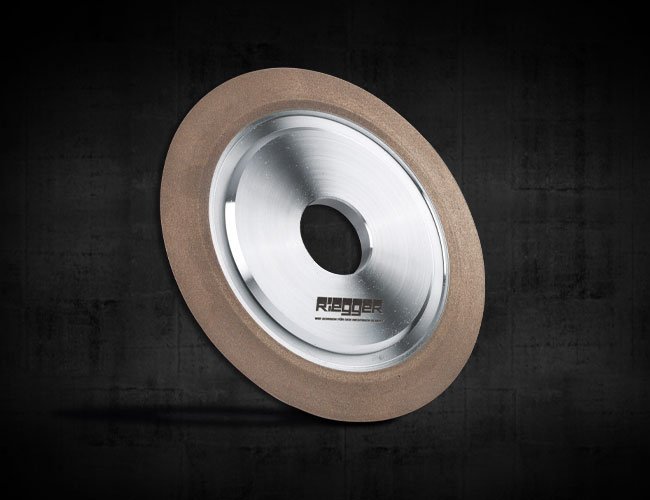
Diamant- und
CBN-Schleifscheiben
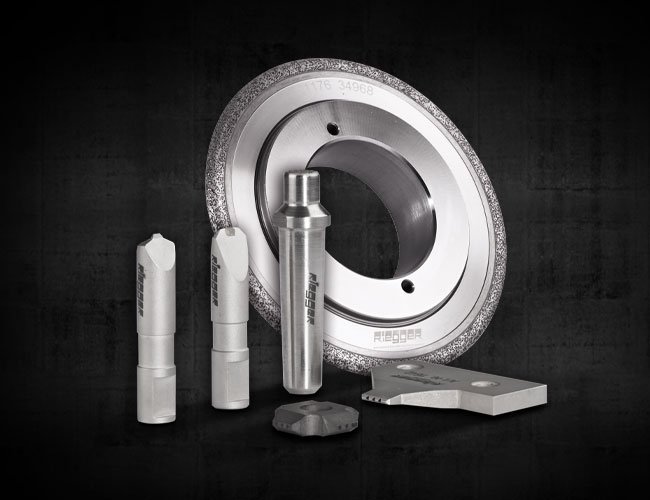
Diamant
Abrichtwerkzeuge
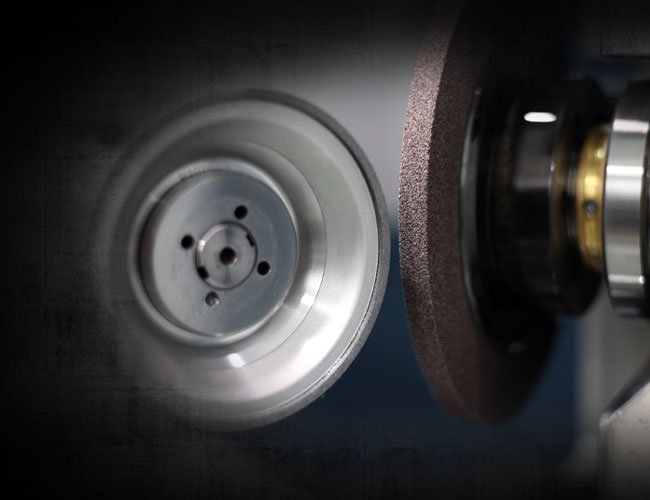
Dienstleistungen
Know-how durch
Erfahrung & Leidenschaft
Durch die enge Verbindung zwischen Anwendungstechnik und unserer Entwicklungsabteilung stellen wir sicher, dass wir mit unseren Entwicklungen immer einen Mehrwert beim Kunden schaffen. Die Entwicklung unserer Produkte erfolgt traditionell in unserem Haus. Diese beginnt bei den Rohstoffen und endet beim Einsatz des fertigen Werkzeuges beim Kunden. Hierdurch können wir flexibel auf neue Herausforderungen reagieren. Die Kompetenz unserer Mitarbeiter macht uns zu einem wertvollen und kompetenten Partner.
Durch die Zusammenarbeit mit Hochschulen und die eigene Arbeit an Forschungsprojekten erheben wir für uns den Anspruch, auch in Zukunft die aktuellsten und leistungsfähigsten Produkte am Markt anzubieten.

Starten Sie durch
bei Riegger
„Wir sorgen für den richtigen Schliff“ – nach unserem Leitbild arbeiten wir auch. Unsere Mitarbeiterinnen und Mitarbeiter treten hierfür als Team täglich ein, um diesem Anspruch gerecht zu werden. Wenn Sie einen innovativen Arbeitsplatz in einem Familienunternehmen zwischen Tradition und Moderne suchen, können Sie sich gerne bei uns bewerben. Initiativbewerbungen richten Sie bitte an personal@riegger-diamant.de
Wir freuen uns
auf Ihre Anfrage
Sie erreichen uns einfach und unkompliziert per Telefon, Fax, Email oder über unser Kontaktformular. Wir setzen uns umgehend mit Ihnen in Verbindung und beraten Sie gerne bei der Lösung individueller Aufgaben.
ADRESSE
71563 Affalterbach
Deutschland
TELEFON & FAX
F +49 (0) 7144 / 306 – 34



KONTAKT
Anschrift Daimlerstraße 7-9 · 71563 Affalterbach
Tel. +49 (0) 7144 / 306 – 0
Fax +49 (0) 7144 / 306 – 34
E-Mail info@riegger-diamant.de
KONTAKT
Anschrift Daimlerstraße 7-9 · 71563 Affalterbach
Tel. 0 7144 / 306 – 0
Fax 0 7144 / 306 – 34
E-Mail info@riegger-diamant.de